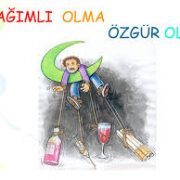
COMBATING SUBSTANCE ABUSE
The phenomenon of drug use, which dates back as far as human history itself, has become the most significant type of crime threatening the health and safety of societies since the beginning of the last century.
With the end of the Cold War, the removal of trade barriers, and the resulting acceleration of the flow of money and goods, an unprecedented number of economic opportunities have emerged. At the same time, a favorable environment has also emerged for criminal organizations to exploit and corrupt the system.
Due to its geographical location, Turkey has served as a bridge of trade and culture between the East and the West for centuries. Because of this structure, it is heavily affected not only by the legally conducted trade in silk and spices but also by drug trafficking, which shares the same characteristics in terms of supply and demand. The route currently known as the Balkan Drug Route serves as the gateway to Europe for these historic trade routes that have existed from the past to the present. The reason Turkey remains more prominently on the agenda than other countries along the Balkan route is that it serves as the gateway to the East and the entry point to the West, both geographically and culturally. Furthermore, our country is geographically close to the countries of Southwest Asia where illicit opium poppy cultivation and, consequently, opium production take place. In addition to its geographical proximity to production regions, our country also borders Western European countries with a large consumer base for illicit drugs. Given this location, our country lies along the transit routes used for illicit drug trafficking from production regions to consumer countries.
Our country continues its fight against drug trafficking based on the following policies:
-Drug-related crimes are considered crimes against humanity.
-It is believed that the primary source of funding for terrorist and organized crime groups comes from drugs.
Drug smuggling and trafficking, which have evolved from simple individual crimes into organized activities requiring significant capital accumulation, have become a source of funding for illegal organizations and organized crime groups that oppose the existing order in some countries around the world—including our own—in order to generate high revenues and maximize profits. has become a source of funding for illegal organizations and organized crime groups that oppose the established order in some countries around the world, as well as in our own country.
Indeed, it is a well-known fact that drug trafficking is the primary source of income for the PKK, an illegal terrorist organization operating in our country. Using the money it obtains from drugs to purchase weapons and slaughter our innocent citizens, the PKK also turns its own militants into drug addicts, ensuring that they brutally murder innocent people—children, youths, and the elderly alike, and even infants in their cradles and pregnant women—without batting an eye, in ways no normal person could ever conceive of.
-Is aware of the need for international cooperation.
Aware of the importance and necessity of international cooperation and the exchange of information, our country is open to all forms of cooperation in this regard. To this end, we are taking initiatives to develop new opportunities for cooperation and are voicing our views on drug trafficking and other forms of organized crime at every opportunity on international platforms.
To this end, in order to establish international cooperation, our country has signed agreements, protocols, memorandums of understanding, and treaties with 55 countries at various levels regarding cooperation in the fight against drug trafficking.
To ensure a fast and secure flow of information among police forces, the number of liaison officers in our country is increasing day by day, and in parallel with this, our country is also sending liaison officers abroad.
-It is determined to address the issue with equal commitment and intensity at all stages—supply, demand, and rehabilitation.
Turkey is located in a region close to the countries of Southwest Asia where illicit opium poppy cultivation and, consequently, opium production take place. In addition to its geographical proximity to production regions, Turkey also borders Western European countries with a large consumer base for illicit drugs. Given this location, Turkey lies along the transit routes used for illicit drug trafficking from production regions to consumer countries.
Our country is the scene of a West-to-East flow of certain chemical substances, which runs in the opposite direction of heroin and bazomorphine trafficking. In other words, in addition to its role as a transit point for drug trafficking, it also serves as a crossroads for the smuggling of these substances.
It has been observed that, during these smuggling operations carried out through our country, drugs are being released onto the market in Turkey with the aim of creating demand there. However, it is important to note that, despite these malicious efforts, Turkey is not in the same situation as Western countries that are portrayed as being mired in a drug crisis.
SUBSTANCE ABUSE
Substance: A substance is a chemical that is harmful to the body, whether used in medicine or elsewhere.
Dependent: Only when the substance is used a false sense of well-beingwhen the substance is used, feels bad is referred to as an addict. An addict is someone who has become irresistibly enslaved to the substance.
Withdrawal: This refers to the occurrence of physical and psychological problems that arise when substance use is discontinued after a prolonged period of use. Withdrawal symptoms vary depending on the type of substance used and the duration of use.
Substance Dependence: This refers to the process by which an individual, through the use of legal or illegal substances that are harmful to the body, loses autonomy, freedom, and self-control and adopts new attitudes and behaviors.
The Effects of Addiction on Cells:
List of Life Essentials; Cells need sugar, salt, water, and vitamins to survive. Let’s assume alcohol is consumed during this period.
The List of Things to Do After a Certain Period: Sugar, Water, Salt, Vitamins, and Alcohol. At the end of the cellular utilization process, alcohol is also added to the list of essentials for life.
Factors Leading to Substance Use
- Biological Causes: The faster and more intensely a substance affects a user, the greater its potential to cause addiction.
- Psychological Causes: This does not apply to everyone. There is no guarantee that every person with a mental illness will use substances. This may be the case for certain personality types.
- Social Causes;
- Availability; The easier it is to obtain a substance, the greater the risk of addiction.
- Peer Group; During adolescence, young people live in groups. Norms are very important within a peer group. If the community a person is part of uses drugs, that person will use drugs simply to remain part of that community.
- The family; The family is the smallest building block of our society. It is here that an individual first learns everything. For this reason, if there is a substance user within the family, the individual may also begin using substances.
- Social Acceptance; If a substance is considered legitimate by the society in which a person lives, that person will also consider it legitimate and will begin to use it without being aware of its harmful effects.
“THERE IS NO SUCH THING AS A SAFE ADDICTIVE SUBSTANCE.”
“THE RISK OF DEVELOPING A DEPENDENCE IS THE SAME FOR EVERYONE WHO USES IT.”
The Process of Substance Dependence:
- The process;
- Substances taken in small amounts out of curiosity or for pleasure gradually begin to take on greater importance for the person.
- Social relationships are structured in a way that allows for the acquisition of the substance.
- More and more time is being spent on obtaining and using the material.
- This situation disrupts a person’s communication and relationships with those around them.
- The process;
- The intensity of substance-seeking behavior increases.
- Tolerance develops over time as the product is used.
- The person tends to keep using the same substance.
- Withdrawal symptoms appear when a person reduces their use of a substance, is unable to obtain it, or is unable to use it.
- The process;
- The person feels compelled to take the substance again to alleviate the symptoms. This turns into a vicious cycle.
- A substance user’s attempts to reduce or stop using the substance usually end in failure.
- If a person stops using a substance and then starts again, a relapse occurs.
Treatment for Substance Abuse:
Today, it is possible to treat substance addiction. However, the most important factor in treatment is the individual’s desire and determination to stop using substances. A person can overcome physical dependence within two weeks. However, it takes 5 to 10 years to overcome psychological dependence.
The Psychological Approaches of a Successful Individual:
- Someone who is self-confident, who doesn’t let their surroundings or peer pressure dictate the decisions they make about their own life, and who can cope with their problems,
- Whether or not there is peer pressure, someone who takes responsibility for all the decisions they make in their life,
- Aware that his group of friends would have both positive and negative influences on him over time, and that his social circle would change once he entered the workforce—where he would be judged solely by his character and achievements—
- Those who know how to make the most of their free time and live as part of society, who can say to humanity, “I am here,” and “Here’s what I’ve done,”
- Those who do not use addictive substances not because they are banned or due to negative influences from their environment or parents, but as a result of their own views and beliefs,
The Role of the Police in Combating Consumption:
In addition to combating drug trafficking, our Narcotics Units are also carrying out the necessary efforts to combat drug use and addiction, which have not yet reached alarming levels in our country. The activities carried out within this framework can be listed as follows.
- Educational Activities;
- Under the coordination of our Presidency, with the aim of conducting educational initiatives targeting young people aged 15–21—identified as the target group for substance use—100 narcotics police officers working in regional units, A “Training of Trainers” course on substance use and addiction was delivered by members of the Scientific Advisory Committee, which advises the Sub-Committee and Main Committee on Drug Control Monitoring and Guidance.
With the participation of our narcotics police officers who have completed this training program, officials from the Provincial Directorate of National Education, and doctors specializing in addiction, conferences, panels, and public forums on substance abuse are organized at high schools and equivalent schools in the provinces where they are stationed, for parents of students, staff at prisons and detention centers, and—upon request—in coordination with volunteer cultural organizations, associations, and foundations, to organize conferences, panels, and public forums on substance abuse.
Since June 26 has been designated by the United Nations as “World Drug Day,” conferences, panels, public forums, TV and radio programs, and exhibitions were organized to raise awareness among the young people and their families identified as the target audience in all our provinces.
In addition, in the province of Izmir, seminars were organized in four sessions at youth camps held during the summer months to educate young people about substance abuse.
- Street Teams;
As part of their preventive duties, our Narcotics Police have established street patrols —particularly within our regional units in major cities—in areas where individuals in high-risk groups are concentrated, with the aim of preventing drug use and combating street dealers. Particularly around schools, where students spend a significant amount of time, inspections are being conducted at cafeterias and mobile vendors to counter drug dealers seeking to entice students into drug use. These efforts are carried out in coordination with school administrators to establish cooperation, and we draw on the suggestions and information provided by our officers. The most encouraging result of these efforts is that no serious drug problem has been encountered in this region. In addition to these checks, preventive efforts focused particularly on street vendors in public places in provincial centers have led to the apprehension of a large number of individuals.
- District Narcotics Units;
Given the geographical and demographic characteristics of Istanbul Province, and upon observing that certain shortcomings had been encountered in extending the efforts led by the Narcotics Branch of the Provincial Police Department to the entire city within the framework of the existing urban structure, it has been planned to utilize the District Police Departments—each of which serves a population equivalent to that of a medium-sized city—more effectively in this fight.
In this context, in the first phase, District Narcotics Teams—composed of our officers specially trained to combat narcotics-related crimes—were established in a total of 7 (seven) separate districts, including Bahçelievler, Bakırköy, Eminönü, Fatih, Kadıköy, Şişli, and Beşiktaş—a total of 7 (seven) separate districts—District Narcotics Teams composed of officers specially trained to combat narcotics-related crimes were established to ensure that the fight against narcotics is conducted more effectively and expanded to cover the entire city.
- Survey Studies on Substance Abuse
In 1996, an effort was made to compile data that could shed light on the state of substance abuse in our country; however, due to the lack of such data, the “Substance Abuse Questionnaire” was distributed to all narcotics units. This questionnaire seeks to outline the social, economic, cultural, and psychological circumstances of our citizens who are drug-dependent.
The study was conducted on 1,633 people in 1999 and 2,145 people in 2000. We use the data obtained from our studies on this subject to combat supply, to conduct analyses that will assist in future planned studies, and to evaluate it as intelligence information.
It uses the same data to inform other units and the public about efforts to combat waste, as well as to enhance the knowledge of our own staff (through in-service training). I will discuss the findings of this survey in greater detail later.
Based on the general information provided above, the General Directorate of Security’s efforts to combat drug addiction are as follows.
As the General Directorate of Security;
Upon noting that it has not been clarified which institutions and organizations within the government structure are responsible for combating substance abuse, it was recognized that, although the General Directorate of Security (EGM) has fulfilled its responsibilities regarding this issue to the best of its ability, efforts aimed at combating addiction—which require a fully social approach and encompass areas such as education, rehabilitation, fostering health awareness, and the regulation of family relationships—which require a fully social approach;
Based on a report we prepared regarding the fight against narcotics; as a result of the recommendations adopted by the National Security Council at its December meeting; and following the proposals we presented at meetings held with the participation of relevant agencies and institutions;
To ensure coordination among all agencies involved in the fight against drug use, to establish national policy, and to organize the division of responsibilities, the proposal to establish the UPPER AND SUB-COMMITTEES FOR MONITORING AND DIRECTING THE FIGHT AGAINST DRUG USEwere proposed to our National Security Council. With the Council’s approval, these committees were established, and it was decided that nationwide policies and efforts to combat drug addiction would be carried out under the leadership of the Family Research Institute.
DRUG USE SURVEY
In order to determine the extent of drug addiction in our country, the “Substance Abuse Questionnaires,” prepared in 1995 by the Directorate General for Combating Smuggling and Organized Crime, were first distributed to regional units in 1996. These questionnaires sought to determine the socioeconomic and cultural circumstances of substance users. Beginning in 1996, this survey was administered to individuals facing legal proceedings for drug use, yielding notable results. Considering that there have been no significant changes in the figures over the last three years during which the survey was administered, it can be said that the survey results are close to reality.
In 2000, within the police district, 2,145 individuals were subject to legal proceedings for drug use[1]who were subject to legal proceedings for drug use in the police district were evaluated with the understanding that the questionnaires were administered only to individuals apprehended for drug use and that the reliability of their statements may not be complete. Accordingly, the assessment of the results over the past three years is as follows:
1-Age Group
The Year 1999
| AGE GROUP |
WOMEN |
MEN |
TOTAL |
PERCENTAGE (%) |
| Under 16 |
– |
4 |
4 |
0.2 |
| 16–30 |
25 |
508 |
533 |
33.2 |
| 31–45 |
8 |
659 |
667 |
41.6 |
| 46–65 |
5 |
379 |
384 |
23.9 |
| Over 65 |
– |
16 |
16 |
1.1 |
| T O T A L |
38 |
1566 |
1604 |
100 |
The Year 2000
| AGE GROUP |
WOMEN |
MEN |
TOTAL |
PERCENTAGE (%) |
| Under 16 |
– |
4 |
4 |
0.3 |
| 16–30 |
27 |
849 |
876 |
41.8 |
| 31–45 |
16 |
788 |
804 |
38.4 |
| 46–65 |
6 |
392 |
398 |
19 |
| Over 65 |
1 |
9 |
10 |
0.5 |
| T O T A L |
50 |
2042 |
2092 |
100 |
The Year 2001
| AGE GROUP |
WOMEN |
MEN |
TOTAL |
PERCENTAGE (%) |
| Under 16 |
1 |
2 |
3 |
0.1 |
| 16–30 |
31 |
907 |
938 |
46 |
| 31–45 |
13 |
706 |
719 |
35.3 |
| 46–65 |
7 |
346 |
353 |
17.3 |
| Over 65 |
– |
24 |
24 |
1.2 |
| T O T A L |
52 |
1985 |
2037 |
100 |
When considering the age groups of drug users, it is evident that, as is the case worldwide, drug use is most prevalent among those aged 16–30 in our country as well. Although the literature does not define the 15–24 or 12–22 age groups as at-risk groups, the increasing number of users among adolescents and young adults (ages 16–45) indicates that substance use may be becoming a cultural norm. Therefore, in addition to protection and prevention efforts, there is a need to educate the older age group about “cultural acceptance” patterns.
In addition, the 16–45 age group is associated with the process of exposure to drugs, drug use, addiction, and the consequences of addiction.
2-Age of Onset
| AGE GROUP |
1 9 9 9 |
2 0 0 0 |
2001 |
|
| NUMBER |
PERCENTAGE (%) |
NUMBER |
PERCENTAGE (%) |
NUMBER |
PERCENTAGE (%) |
| Under 16 |
119 |
7.3 |
146 |
8.5 |
151 |
9.8 |
|
| 16–30 |
1,004 |
61.5 |
1,337 |
77.9 |
1,076 |
69.9 |
|
| 31–45 |
215 |
13.2 |
197 |
11.4 |
272 |
17.6 |
|
| 46–65 |
40 |
2.4 |
33 |
1.9 |
34 |
2.2 |
|
| Greater than 65 |
255 |
15.6 |
3 |
0.3 |
5 |
0.5 |
|
| T O T A L |
1633 |
100 |
1716 |
100 |
1538 |
100 |
|
|
|
|
|
|
|
|
|
|
The onset of substance use among those under 16 is particularly noteworthy. The 16–30 age group stands out as a key target audience for protection and prevention policies. From this perspective, conducting educational activities aimed at this age group to combat drug use is of great importance in terms of preventing substance use. The increase in the 31–45 age group in 2001 compared to 1999 and 2000 is noteworthy. This result, which is particularly interesting for this age range—representing the prime working years—suggests that other factors are at play (such as employment versus unemployment, marriage versus divorce, etc.).
3-Gender
| GENDER |
1 9 9 9 |
2 0 0 0 |
2 0 0 1 |
NUMBER
|
PERCENTAGE (%) |
NUMBER |
PERCENTAGE (%) |
NUMBER |
PERCENTAGE (%) |
| Woman |
39 |
2.4 |
54 |
2.5 |
52 |
2.5 |
| Male |
1,592 |
97.6 |
2,090 |
97.5 |
1985 |
97.5 |
| TOTAL |
1,631 |
100 |
2,144 |
100 |
2,037 |
100 |
It appears that men are more likely to be addicted to drugs than women. This situation may be related to the social status of women in our country. As in other countries, drug use and the crimes associated with it are mostly committed by men in our country as well.
Although women appear to participate more in social life, their actions remain limited by the roles assigned to them. Substance use among women is a serious problem because they often find it difficult to ask for help. For this reason, there is a need for a program specifically designed for women.
4-Marital Status
| MARITAL STATUS |
1 9 9 9 |
2 0 0 0 |
2001 |
| NUMBER |
PERCENTAGE (%) |
NUMBER |
PERCENTAGE (%) |
NUMBER |
PERCENTAGE (%) |
| Single |
462 |
28.5 |
713 |
34.4 |
743 |
36.8 |
| Married |
1,055 |
65.1 |
1,214 |
58.6 |
1,171 |
57.9 |
| Divorced |
93 |
5.7 |
127 |
6.1 |
96 |
4.7 |
| Living Apart |
7 |
0.7 |
15 |
0.9 |
9 |
0.6 |
| TOTAL |
1,619 |
100 |
2,069 |
100 |
2019 |
100 |
When examining the marital status of drug users, while being single typically poses a risk for most psychosocial problems, the opposite is true in this case. Survey results show that the majority of drug users are married. Living alone and divorce are two choices that fall outside the bounds of social acceptance. Therefore, assuming that their ongoing marriages are “problem-free” and believing that the risk has decreased does not align with reality.
5-Level of Education
| EDUCATIONAL LEVEL |
1 9 9 9 |
2 0 0 0 |
2001 |
| NUMBER |
PERCENTAGE (%) |
NUMBER |
PERCENTAGE (%) |
NUMBER |
PERCENTAGE (%) |
| None |
144 |
8.9 |
185 |
8.7 |
133 |
6.5 |
| Literate |
140 |
8.8 |
155 |
7.2 |
213 |
10.4 |
| Elementary School |
904 |
55.9 |
1,168 |
54.9 |
1,159 |
57 |
| Middle School |
235 |
14.5 |
288 |
13.5 |
267 |
13.1 |
| High School |
162 |
10 |
237 |
11.1 |
214 |
10.5 |
| College |
31 |
0.9 |
91 |
4.6 |
46 |
2.5 |
| TOTAL |
1,616 |
100 |
2,124 |
100 |
2,032 |
100 |
It has been observed that individuals who use illicit drugs and commit drug-related crimes tend to have a low level of education. This situation becomes even more evident when considering that primary education lasts eight years. Education is an investment in people; it is a tool that empowers individuals to be free and autonomous, and helps shape the general expectations of society and the desired form of citizenship. People acquire fundamental traits such as self-protection and self-care through education. These data demonstrate that education reduces the tendency to commit crimes.
6-Type of Material Used
| SUBSTANCE USED |
1 9 9 9 |
2 0 0 0 |
2001 |
| NUMBER |
PERCENTAGE (%) |
NUMBER |
PERCENTAGE (%) |
NUMBER |
PERCENTAGE (%) |
| Heroin |
161 |
10 |
283 |
14 |
233 |
12 |
| Marijuana |
1320 |
82.2 |
1,561 |
77.4 |
1,613 |
83.3 |
| Cocaine |
30 |
1.8 |
27 |
1.3 |
7 |
0.3 |
| Pill |
47 |
3 |
93 |
4.6 |
59 |
3 |
| Volatile |
4 |
0.1 |
1 |
0.2 |
4 |
0.2 |
| Other |
42 |
2.9 |
51 |
2.5 |
19 |
2 |
| TOTAL |
1,604 |
100 |
2016 |
100 |
1935 |
100 |
Marijuana is the most commonly used substance among drug addicts. This is because drug users typically start with marijuana and, after a while, turn to harder drugs like heroin due to a lack of satisfaction. Furthermore, the decline in the number of heroin and cocaine users in 2001 was due to the rising cost of these substances and the increasing difficulty in obtaining them. This indicates that efforts to curb their availability have been successful.
7-Reason for Starting
| REASON FOR STARTING |
1 9 9 9 |
2000 |
2001 |
| NUMBER |
PERCENTAGE (%) |
NUMBER |
PERCENTAGE (%) |
NUMBER |
PERCENTAGE (%) |
| Curiosity |
594 |
37.5 |
847 |
42.8 |
694 |
36.3 |
| Friendship |
709 |
44.7 |
788 |
39.8 |
875 |
45.8 |
| Entertainment |
58 |
3.6 |
69 |
3.4 |
70 |
3.6 |
| Issues |
225 |
14.2 |
273 |
14 |
269 |
14.3 |
| TOTAL |
1,586 |
100 |
1977 |
100 |
1908 |
100 |
Studies show that people start using drugs out of curiosity and for fun, and that their first exposure to drugs usually occurs through their peer groups.
Curiosity, as a human inclination, brings together other people who share that same curiosity. This, in turn, strengthens the defining power of the core interest at the heart of these relationships. In friend groups formed along these lines, the initiative lies primarily with the users. Such groups are closed to outsiders and operate according to their own rules.
8. Whether or Not the Offender Committed the Crime of Procuring the Substance
DID HE COMMIT THE CRIME OF PROCURING THE SUBSTANCE?
|
1 9 9 9 |
2 0 0 0 |
2 0 0 1 |
| NUMBER |
PERCENTAGE (%) |
NUMBER |
PERCENTAGE (%) |
NUMBER |
PERCENTAGE (%) |
| Yes |
117 |
7.3 |
166 |
8.1 |
148 |
7.4 |
| No |
1477 |
92.7 |
1907 |
91.9 |
1868 |
92.6 |
| TOTAL |
1,594 |
100 |
2,073 |
100 |
2016 |
100 |
Although the survey results reveal, on the one hand, that drug users do not engage in crime on a large scale to obtain the substances they use and also indicate that the deterrent potential of law enforcement is gradually increasing, on the other hand, they also highlight the link between crime and substance use, albeit not at very high rates. Based on this, it is evident that nationwide rehabilitation programs targeting offenders have become a vital necessity.
9-Employment Status
| EMPLOYMENT STATUS |
1 9 9 9 |
2 0 0 0 |
2001 |
| NUMBER |
PERCENTAGE (%) |
NUMBER |
PERCENTAGE (%) |
NUMBER |
PERCENTAGE (%) |
| Has a Regular Job |
528 |
32.8 |
673 |
31.9 |
585 |
28.9 |
| Operating Irregularly |
702 |
43.6 |
880 |
41.7 |
885 |
43.7 |
| Unemployed |
380 |
23.6 |
554 |
26.4 |
551 |
27.4 |
| TOTAL |
1,610 |
100 |
2,107 |
100 |
2021 |
100 |
Based on the survey results, when users’ employment status is evaluated, it can be said that irregular work schedules and unemployment may contribute to substance use, or that substance use may lead to employment problems.
This table, which demonstrates a causal relationship between unemployment and employment instability and substance use, highlights the preventive value of individual well-being in the context of national policies.
10-Criminal History
| CRIMINAL RECORD |
1 9 9 9 |
2 0 0 0 |
2001 |
| NUMBER |
PERCENTAGE (%) |
NUMBER |
PERCENTAGE (%) |
NUMBER |
PERCENTAGE (%) |
| Related to the Article – Available |
607 |
37.5 |
685 |
32.8 |
640 |
31.9 |
| Not Related to the Article – Yes |
341 |
21 |
464 |
22.2 |
474 |
23.6 |
| None |
672 |
42.5 |
938 |
45 |
889 |
44.5 |
| TOTAL |
1,620 |
100 |
2,087 |
100 |
2003 |
100 |
It appears that more than half of substance users have a criminal record, whether drug-related or not. The fact that the number of those with drug-related criminal records remains at a consistent level suggests the existence of a subculture in this regard. Furthermore, this highlights the importance of protective, preventive, and educational activities within the justice system (such as detention centers, correctional facilities, and juvenile detention centers).
11-Marital Status
| FAMILY |
1 9 9 9 |
2 0 0 0 |
2 0 0 1 |
| NUMBER |
PERCENTAGE (%) |
NUMBER |
PERCENTAGE (%) |
NUMBER |
PERCENTAGE (%) |
| None |
100 |
6.6 |
147 |
6.9 |
107 |
5.2 |
| Exists |
1,212 |
80.7 |
1,830 |
85.8 |
1,745 |
86 |
| Living Apart |
189 |
12.7 |
154 |
7.3 |
175 |
8.8 |
| TOTAL |
1,501 |
100 |
2,131 |
100 |
2027 |
100 |
When we look at the data for each three-year period, we see that there is no correlation between substance-related crime and family background. This could be interpreted as the absence of a family or a lack of a support system; however, the fact that the vast majority of these individuals do have families makes it difficult to draw any conclusions regarding the relationship between substance use and crime.
However, the fact that most people who use drugs have a family and live with their family also refutes the claim that only those who are homeless and lonely turn to drugs.
For this reason, family education should address the issues that arise when a family member uses substances. This is because a family’s lack of knowledge about substance dependence makes it more difficult for the individual to recover from addiction. This situation once again highlights the importance of the family’s protective role.
12-Where He Lives
| PLACE OF RESIDENCE |
1 9 9 9 |
2 0 0 0 |
2001 |
NUMBER
|
PERCENTAGE (%) |
NUMBER |
PERCENTAGE (%) |
NUMBER |
PERCENTAGE (%) |
| With his family |
1378 |
91 |
1,724 |
81.3 |
1751 |
86.6 |
| With his friends |
42 |
2.8 |
96 |
4.5 |
33 |
1.6 |
| Alone |
172 |
5.4 |
250 |
11.7 |
10 |
0.7 |
| On the Street |
7 |
0.2 |
16 |
0.7 |
30 |
1.4 |
| At the hotel |
14 |
0.6 |
33 |
1.8 |
197 |
9.7 |
| TOTAL |
1,513 |
100 |
2,119 |
100 |
2021 |
100 |
It is very concerning that the vast majority of drug users (86.6%) live with their families. This situation once again highlights the central importance of the family and the need to address it in all its aspects.
13-Family Income
| FAMILY INCOME |
1 9 9 9 |
2 0 0 0 |
2001 |
NUMBER
|
PERCENTAGE (%) |
NUMBER |
PERCENTAGE (%) |
NUMBER |
PERCENTAGE (%) |
| Low-Income |
634 |
43.6 |
892 |
45.3 |
1,034 |
52.7 |
| Middle-Income |
755 |
52 |
1,013 |
51.5 |
878 |
44.7 |
| High-Income |
65 |
4.4 |
60 |
3.2 |
50 |
2.6 |
| TOTAL |
1,454 |
100 |
1965 |
100 |
1962 |
100 |
Substance use and related studies do not reveal a clear correlation with socioeconomic status. The fact that a high proportion of those committing this crime come from low- and middle-income groups may be related to education, or it may reflect the socioeconomic reality in our country.
14-Request for Treatment
| REQUEST FOR TREATMENT |
1 9 9 9 |
2 0 0 0 |
2 0 0 1 |
| NUMBER |
PERCENTAGE (%) |
NUMBER |
PERCENTAGE (%) |
NUMBER |
PERCENTAGE (%) |
| Available |
285 |
17.8 |
361 |
17.3 |
237 |
11.9 |
| None |
1312 |
82.2 |
1,724 |
82.7 |
1,760 |
88.1 |
| TOTAL |
1,597 |
100 |
2,085 |
100 |
1997 |
100 |
It is well known that the desire for treatment is always less than the desire to use substances. Indeed, survey results confirm this. Substance users generally say they are not addicted and do not need treatment.
In addition, the lack of a desire to seek treatment may stem from the fact that treatment services are expensive and not widely available, as well as from users’ lack of sufficient information about treatment.
Footnote: The discrepancy in the total figures in the evaluations is due to the relevant sections of the survey forms not being completed.