Prof. Dr. Sevil Atasoy: Our biggest challenge in the fight against drugs…
Prof. Dr. Sevil Atasoy shared the 2017 report prepared by the International Narcotics Control Board (INCB) with the public in Turkey. Atasoy, who served as a member and former chair of the United Nations International Narcotics Control Board during the 2005–2010 and 2015–2022 terms, highlighted that heroin poses the greatest threat to Turkey while discussing the details of the report.
WHAT IS THE BIGGEST PROBLEM IN THE FIGHT AGAINST DRUGS?
Prof. Dr. Sevil Atasoy, emphasizing that heroin poses the greatest threat to Turkey, said, “In a country through which such large quantities of heroin pass—we’re talking about tons—it’s impossible for it to stay here; in other words, no matter what, a transit country will inevitably have users.” Atasoy emphasized that the most significant challenge all countries face in the fight against drugs—and one they struggle to address—is “reducing demand.” Prof. Dr. Nevzat Tarhan, Rector of Üsküdar University, also described addiction as a “social cancer” of society and underscored the importance of treatment and the subsequent rehabilitation process. In his remarks, Tarhan likewise emphasized that the real battle lies in reducing demand.
At a press conference held at the Altunizade Campus of Üsküdar University, Prof. Dr. Sevil Atasoy presented the 2017 Report prepared by the United Nations (UN) International Narcotics Control Board (INCB). According to the report, individuals who use drugs around the world face stigmatization. Globally, only one in six people in need of treatment for drug addiction has access to such treatment programs. The report, which also details regional developments, highlighted that drugs and medications subject to international control are being sold online.
TURKEY’S ROLE IN THE DRUG TRADE WAS DISCUSSED
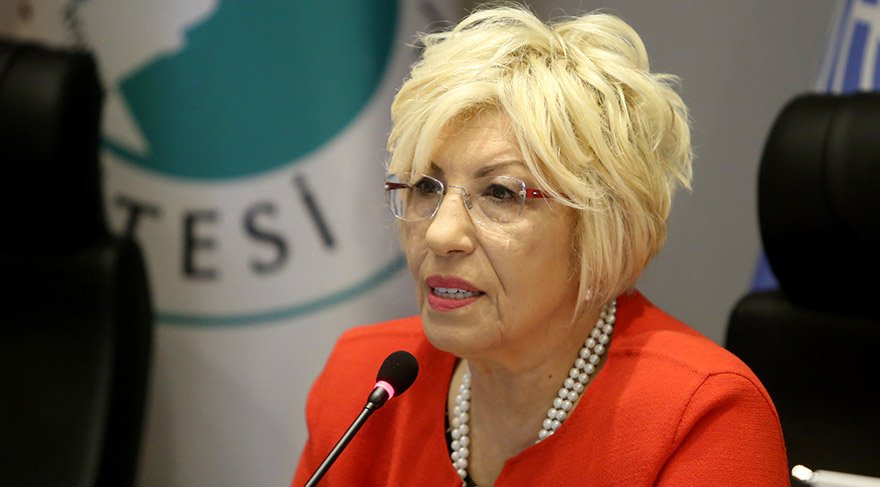
Prof. Dr. Sevil Atasoy, Vice Rector and former Chair of the United Nations Commission on Narcotic Drugs during the 2005–2010 and 2015–2022 terms, stated that Turkey was included in the International Narcotics Control Board’s 2017 report because it lies along the traditional Balkan Route.
Prof. Dr. Sevil Atasoy said: “Although about 40 percent of heroin originating from Afghanistan is seized by Iran and Turkey, it is known that approximately 350 metric tons of heroin reach Western European markets. However, the report also noted that, thanks to the security measures we have implemented along our borders, Afghan heroin has shifted from the Balkan Route to what is known as the ‘Northern Route,’ reaching Eastern Europe via the Northern Black Sea route through Armenia. Another significant fact is that Turkey lies along the route of Captagon smuggling, which originates in Eastern Europe and extends to Iraq, Syria, and other countries on the Arabian Peninsula. Although Captagon was a prescription drug available on the market years ago, it is no longer manufactured due to its abuse. However, because of its popularity, counterfeit Captagon has been introduced into the market. Counterfeit Captagon contains various amphetamine derivatives and substances such as caffeine instead of fenetylline. It is used primarily by terrorist groups to cope with sleep deprivation and hunger, and large quantities are being seized in our eastern regions, particularly in Hatay.”
THE BIGGEST THREAT TO TURKEY: HEROIN
Prof. Dr. Sevil Atasoy, emphasizing that heroin poses the greatest threat to Turkey, said, “In a country through which such large quantities of heroin pass—we’re talking about tons—it’s impossible for it to stay here; in other words, no matter what, a transit country will inevitably have users. As soon as the price drops on the market, it spreads. “The spread of drugs is in the hands of the traffickers. They are the ones in control because illegal organizations control the market. Heroin is the most dangerous. In terms of the substances used by those seeking treatment at AMATEM, heroin ranks first,” she said.
“WE’RE FORGETTING ABOUT THE ADDICTS IN PRISONS”
Highlighting the importance of over-the-counter medication use, Prof. Dr. Sevil Atasoy stated that priority should be given to treatment in prisons, saying:
“Addicts in prisons are a major problem. We shouldn’t view this solely in terms of drugs; the misuse of prescription medications without a prescription is also a form of addiction. This is a serious issue because that person may later turn to heroin, which is much cheaper. A lot of drugs are now available in pill form. Yes, Turks generally don’t like injecting drugs into their veins, but they’ll swallow pills without hesitation. Treatment within prisons is a very important detail, and it’s not done at all in Turkey. In contrast, in the U.S., mandatory treatment is carried out, especially in prisons. When someone says, “I don’t want treatment” while on the outside, you can’t force them to undergo treatment. But within a prison, this is possible. They view this as a method. But we don’t have such a practice here. There are hundreds of thousands of people inside who need treatment.”
“DRUG ADDICTION IS ON THE RISE AMONG WOMEN IN REFUGEE CAMPS”
Prof. Dr. Sevil Atasoy, who draws attention to drug addiction among women, said, “There are currently various camps where large numbers of Syrian women are being held together. These are located along the border—both here and in other places, such as Lebanon. “Doctors there are forced to prescribe antidepressants to those in extreme distress. Drug dependence is developing among them as well. It’s not Captagon or heroin, but drug dependence is present. For women who are pregnant, there is a risk that their babies could be born with disabilities,” she said.
THE REPORT’S FOCUS: TREATMENT
The INCB 2017 Report emphasized that the need for treatment and rehabilitation far exceeds the availability of such services. It called on governments to place greater emphasis on treatment and rehabilitation rather than focusing solely on prevention.
The report, which calls on governments to invest in treatment and rehabilitation services while paying particular attention to the needs of vulnerable populations, reminded states of their obligation to provide treatment services to those affected by substance use disorders.
ONLY 1 IN EVERY 6 PEOPLE HAS ACCESS TO TREATMENT
In its annual report, the INCB warns that, globally, only one in six people in need of drug addiction treatment has access to such programs. Even where access to treatment is available, the quality of treatment is often low and falls short of international standards.
According to the report, people who use drugs around the world face stigma, which further complicates the situation. This stigma not only hinders their treatment opportunities and access to treatment, but also affects their chances of reintegrating into society.
THE ISSUE OF ONLINE PHARMACIES
The report emphasized that substance use disorder is one of the most stigmatized health issues worldwide. The report, which also detailed regional developments, highlighted that internationally controlled drugs and narcotics are being sold online. The report noted that because some online pharmacies operate without a license, they are able to sell pharmaceutical preparations containing narcotic substances without a prescription.
PROF. DR. NEVZAT TARHAN: ADDICTION IS THE SOCIAL CANCER OF SOCIETY
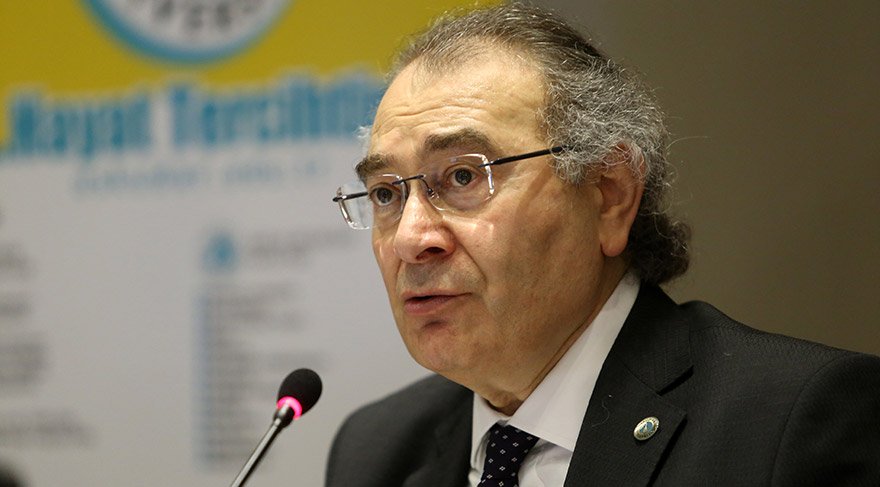
Prof. Dr. Nevzat Tarhan, Rector of Üsküdar University, also described addiction as the “social cancer” of society. Noting that there are key pillars in the fight against addiction, Tarhan said, “One of these is prevention. Raising awareness and fostering understanding among healthy individuals regarding substance use—in other words, ensuring these individuals do not feel the need to use substances. We refer to this as ‘demand reduction’ in the fight against addiction. Preventive mental health services are crucial,” he said.
Tarhan, noting that substance abuse and related deaths are on the rise despite all the measures taken in developed countries, pointed out that demand is a key factor here as well, and that the demand for substance use comes primarily from young people.
“THE REAL CHALLENGE IS TO REDUCE DEMAND”
Stating that policies to combat addiction must be implemented correctly, Prof. Dr. Tarhan said, “Some policies focus solely on tackling supply, but that is not enough, of course. Let’s establish narcotics task forces, but what do we need to do to actually reduce demand? In addition to treatment, there is also prevention. In prevention, identifying at-risk groups and creating a risk map are crucial—it’s important to determine which areas on that map are most affected. In the fight against addiction, it is of primary importance to integrate primary care services into those areas and establish rehabilitation teams composed of specialized psychologists and social workers. In these policies, identifying risks is crucial for preventive measures. From a treatment perspective, access to treatment is also a critical issue that requires close attention. There are many people who face difficulties accessing treatment—including those living on the streets, the homeless, and those living alone. Those in broken family environments or with toxic peer groups are also part of the at-risk group. They, too, must be supported in accessing treatment and should be referred to mandatory treatment,” he said.
WHAT ARE OUR SHORTCOMINGS IN REHABILITATION TREATMENT?
Tarhan, noting that the majority of these individuals should be referred to the rehabilitation process following the detoxification (purification) phase and the acute phase of treatment, emphasized that
Turkey is the only country among developed nations that lacks a standalone law on rehabilitation.
Prof. Dr. Nevzat Tarhan said: “Psychological, social, and vocational rehabilitation processes must go hand in hand. Unfortunately, Turkey currently has the fewest rehabilitation centers in the world. It is the only country among developed nations that lacks a dedicated constitution for rehabilitation. Currently, our priority is to return individuals to their former environment after treatment. AMATEM centers have now become institutions that simply repeat the same cycle. However, instead of returning these individuals to their former environments, their rehabilitation should be conducted in structured settings—such as health villages—where rehabilitation takes place. If the government cannot do this, it should delegate the task to the private sector. Otherwise, issues related to addiction will be discussed again in exactly the same way 10 years from now.”
Noting that the active use of primary care services in addiction policies would provide a practical approach for Turkey, Prof. Dr. Tarhan said, “I believe this should be taken into account by those who shape Turkey’s health policy when determining its addiction policies, and that it is important.”
A NEW THREAT FOR YOUNG PEOPLE
Prof. Dr. Nevzat Tarhan, noting that the illegal chemical industry is pursuing new schemes, said, “They are setting new traps for young people. They’re producing new synthetic substances and selling them at low prices through underground operations. These new psychoactive substances—known as ‘Bonzai’ and ‘Jamaica,’ or ‘bath powder’—create an artificial state of consciousness in the user. The user sees themselves in a false paradise. Later, schizophrenia emerges, and mental illnesses develop. It turns the person into a zombie and leads to sudden deaths. We are losing the new generation. “To prevent the loss of the younger generation, it is essential that policies on this issue be sustainable—and that this issue be addressed not only when a crisis arises in society or the media, but by establishing sustainable policies around it,” he warned.
https://www.sozcu.com.tr/hayatim/yasam-haberleri/prof-dr-sevil-atasoy-uyusturucu-ile-mucadelede-en-buyuk-sorunumuz/