The “2017 Report,” prepared by the United Nations (UN) International Narcotics Control Board (INCB), was shared with the public by Prof. Dr. Sevil Atasoy

The UN International Narcotics Control Board’s 2017 World Report has been released to the public. Prof. Dr. Sevil Atasoy, emphasizing that heroin poses the greatest threat to Turkey, stated, “In a country through which such large quantities of heroin pass, it is impossible for it to remain there; in other words, no matter what, a transit country will inevitably have users.”

The “2017 Report,” prepared by the United Nations (UN) International Narcotics Control Board (INCB), was shared with the public by Prof. Dr. Sevil Atasoy.

According to the report, people who use drugs around the world face stigmatization. Globally, only one in six people in need of treatment for drug addiction has access to such treatment programs. The report, which also details regional developments, highlights that controlled substances and drugs are being sold online.

Prof. Dr. Sevil Atasoy noted that Turkey was included in the International Narcotics Control Board’s 2017 report because it lies along the traditional Balkan Route, and said the following:

“Although approximately 40 percent of heroin originating from Afghanistan is seized by Iran and Turkey, it is known that about 350 metric tons of heroin reach Western European markets. However, the report also notes that, thanks to the security measures we have implemented along our borders, Afghan heroin has shifted from the Balkan Route to what is known as the “Northern Route”—a path that passes through Armenia and reaches Eastern Europe via the Northern Black Sea route. Another significant fact is that Turkey lies along the route of Captagon smuggling, which originates in Eastern Europe and extends to Iraq, Syria, and other countries on the Arabian Peninsula. Although Captagon was a prescription drug available on the market years ago, it is no longer manufactured due to its abuse. However, because of its popularity, counterfeit Captagon has been introduced into the market. Counterfeit Captagon contains various amphetamine derivatives and substances such as caffeine instead of fenetylline. It is used primarily by terrorist groups to cope with sleep deprivation and hunger, and large quantities are being seized in our eastern regions, particularly in Hatay.”

“HEROIN IS THE BIGGEST THREAT TO TURKEY”

Prof. Dr. Sevil Atasoy, emphasizing that heroin poses the greatest threat to Turkey, said, “In a country through which such large quantities of heroin pass, it’s impossible for it to stay here—in other words, a transit country will inevitably have users. As soon as the price drops on the market, it spreads. “The spread of drugs is in the hands of the traffickers. They are the ones in control because illegal organizations control the market. Heroin is the most dangerous. In terms of the substances used by those seeking treatment at AMATEM, heroin ranks first,” she said.

“TREATMENT SHOULD BE PROVIDED IN PRISONS”

Highlighting the importance of over-the-counter medication use, Prof. Dr. Sevil Atasoy stated that priority should be given to treatment in prisons, saying:
“Addicts in prisons are a major problem. We shouldn’t view this solely in terms of drugs; the misuse of prescription medications without a prescription is also a form of addiction. This is a serious issue because that person may later turn to heroin, which is much cheaper. A lot of substances are now available in pill form. Yes, Turks generally don’t like injecting drugs into their veins, but they’ll swallow pills without hesitation. Treatment within prisons is a very important detail, and it’s not done at all in Turkey. Yet in the U.S., mandatory treatment is carried out, especially in prisons. When someone says, “I don’t want treatment” while on the outside, you can’t force them to undergo it. But within a prison, you can. They view this as a method. But we don’t have such a practice here. There are hundreds of thousands of people inside who need treatment.”

“DRUG ADDICTION IS ON THE RISE AMONG WOMEN IN REFUGEE CAMPS”

Atasoy, who drew attention to drug addiction among women, said, “There are currently various camps where large numbers of Syrian women are being held together. These are located along the border—both here and in other places like Lebanon. The doctors there are forced to prescribe antidepressants. to those who are in extreme distress. Drug dependence is developing among them as well. So, it’s not Captagon or heroin, but there is drug dependence. In cases where women are pregnant, there is a risk that their babies could be born with disabilities,” he said.

GREATER EMPHASIS SHOULD BE PLACED ON TREATMENT AND REHABILITATION

The 2017 INCB Report emphasized that the need for treatment and rehabilitation far exceeds the availability of such services. It called on governments to place greater emphasis on treatment and rehabilitation rather than focusing solely on prevention.

The report, which calls on governments to invest in treatment and rehabilitation services while paying particular attention to the needs of vulnerable populations, reminded states of their obligation to provide treatment services to those affected by substance use disorders.

ONE IN EVERY SIX PEOPLE HAS ACCESS TO TREATMENT

In its annual report, the INCB warns that globally, only one in six people in need of drug addiction treatment has access to such programs. Even where access to treatment is available, the quality of care is often low and falls short of international standards.
According to the report, people who use drugs around the world face stigma, which further complicates the situation. This stigma not only hinders their opportunities for treatment and access to care but also affects their chances of reintegrating into society.

ONLINE PHARMACIES ARE OPERATING WITHOUT A LICENSE

The report emphasized that substance use disorder is one of the most stigmatized health issues worldwide. The report, which also detailed regional developments, highlighted that internationally controlled drugs and narcotics are being sold online. The report noted that because some online pharmacies operate without a license, they are able to sell pharmaceutical preparations containing narcotic substances without a prescription.

“ADDICTION IS THE SOCIAL CANCER OF SOCIETY”

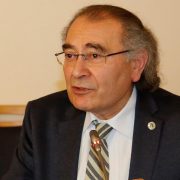
Prof. Dr. Nevzat Tarhan also described addiction as the “social cancer” of society. Noting that there are key pillars in the fight against addiction, Tarhan said, “One of these is prevention. Raising awareness and fostering understanding among healthy individuals regarding substance use—in other words, ensuring these individuals do not feel the need to use substances. We refer to this as ‘demand reduction’ in the fight against addiction. Preventive mental health services are crucial,” he said.

Tarhan, noting that substance abuse and related deaths are on the rise despite all the measures taken in developed countries, pointed out that demand is a key factor here as well, and that the demand for substance use comes primarily from young people.

“POLICIES TO COMBAT ADDICTION MUST BE IMPLEMENTED PROPERLY”

Stating that policies to combat addiction must be implemented correctly, Prof. Dr. Tarhan said, “Some policies focus solely on tackling supply, but that is not enough, of course. Let’s establish narcotics task forces, but what do we need to do to actually reduce demand? In addition to treatment, there is also prevention. In prevention, identifying at-risk groups and creating a risk map are crucial—it’s important to determine which areas on that map are most affected. In the fight against addiction, it is of primary importance to integrate primary care services into those areas and establish rehabilitation teams composed of specialized psychologists and social workers. In these policies, identifying risks is crucial for preventive measures. From a treatment perspective, access to treatment is also a critical issue that requires close attention. There are many people who face difficulties accessing treatment—including those living on the streets, the homeless, and those living alone. Those in broken family environments or with toxic peer groups are also part of the at-risk group. They, too, must be supported in accessing treatment and should be referred to mandatory treatment,” he said.

“WE DON’T HAVE OUR OWN LAW ON REHABILITATION”

Pointing out that the majority of these individuals should be referred to the rehabilitation process following the detoxification (purification) phase and the acute phase of treatment, Tarhan emphasized that Turkey is the only country among developed nations that does not have a standalone law on rehabilitation, and said the following:

“Psychological, social, and vocational rehabilitation processes must go hand in hand. Unfortunately, Turkey currently has the fewest rehabilitation centers in the world. It is the only country among developed nations that lacks a dedicated legal framework for rehabilitation. Currently, our priority is to return individuals to their former environment after treatment. AMATEM centers have now become institutions that simply repeat the same cycle. However, instead of returning these individuals to their former environments, their rehabilitation should take place in structured settings—such as health villages—where rehabilitation is provided. If the government cannot do this, it should have the private sector do it. Otherwise, issues related to addiction will be on the agenda again in 10 years.”

Noting that the active use of primary care services in addiction policies would provide a practical approach for Turkey, Prof. Tarhan said, “I believe this should be taken into account by those who shape Turkey’s health policy when determining its addiction policies, and that it is important.”

“NEW PSYCHOACTIVE SUBSTANCES ARE A THREAT TO YOUTH”

Tarhan, noting that the illegal chemical industry is hatching new schemes, said, “They’re setting new traps for young people. They’re producing new synthetic substances and selling them at low prices through underground operations. These new psychoactive substances—known as ‘Bonzai’ and ‘Jamaica,’ or ‘bath powder’—create an artificial state of consciousness in the user. The user sees themselves in a false paradise. Later, schizophrenia emerges, and mental illnesses develop. It turns the person into a zombie and leads to sudden deaths. We are losing the new generation. “To prevent the loss of the younger generation, it is essential that policies on this issue be sustainable—and that this issue be addressed not only when a crisis arises in society or the media, but by establishing sustainable policies around it,” he warned.

https://www.ntv.com.tr/saglik/turkiye-icin-en-buyuk-tehlike-eroin,hJEppwSrjkSI2V0toVJnKw

A Message from President Recep Tayyip Erdoğan on “Yeşilay Week”

President Recep Tayyip Erdoğan stated, “I congratulate Yeşilay on its 98th anniversary and those dedicated to this cause on Yeşilay Week, March 1–7, in recognition of their selfless efforts in our fight against addiction. I remember with gratitude and respect all our elders who have contributed to Yeşilay over the years and have since passed away.”

President Erdoğan’s post on social media regarding Yeşilay Week reads as follows:

“To ensure a healthy future for our country, it is our important duty—and our patriotic obligation—to combat addiction and harmful habits that could endanger our children and youth on all fronts.”

@1920Yesilay, one of our country’s most established civil society organizations, aims to be a leading civil society organization that serves as a global model in the fight against addiction; it is consistently, sincerely, and using scientific methods combating addiction to alcohol, tobacco, drugs, technology, and gambling.

I would like to celebrate the 98th anniversary of Yeşilay and Yeşilay Week (March 1–7) for all those dedicated to this cause, in recognition of their selfless efforts in the fight against addiction. I remember with gratitude and respect all our elders who have contributed to Yeşilay over the years and have since passed away.”

To ensure a healthy future for our country, it is our important duty—our patriotic duty—to combat addiction and harmful habits that could endanger our children and youth on all fronts.

Meeting of the High Council for the Fight Against Addiction

Deputy Prime Minister Recep Akdağ said, “After the High Council for the Fight Against Addiction was established, we quickly drafted the relevant legislation. “First, the 2018–2023 Strategy Document and Action Plan for Combating Drug Abuse is currently available as a draft,” he said.

The High Council for the Fight Against Addiction, chaired by Akdağ, held its first meeting of the year in the conference room of the Ministry of Development.

At the meeting, Minister of Family and Social Policies Fatma Betül Sayan Kaya, Minister of Labor and Social Security Jülide Sarıeroğlu, Minister of Food, Agriculture, and Livestock Ahmet Eşref Fakıbaba, Minister of the Interior Süleyman Soylu, Minister of Finance Naci Ağbal, Minister of National Education İsmet Yılmaz, Minister of Health Ahmet Demircan, Chairman of the Turkish Grand National Assembly (TBMM) Health Committee Necdet Ünüvar, Chairman of the Radio and Television Supreme Council (RTÜK) İlhan Yerlikaya, President of the Turkish Yeşilay Society Mücahit Öztürk, Member of the Board of Directors of the Turkish Yeşilay Society Esra Albayrak, and bureaucrats from the relevant agencies were in attendance.

In his opening remarks at the meeting, Deputy Prime Minister Akdağ noted that the High Council for the Fight Against Drugs, established on November 13, 2014, had ensured that significant steps were taken over the past three years to combat drugs, which pose a threat to the country, its youth, and its people.

Akdağ, noting that following the establishment of the High Council for the Fight Against Drugs, the World Health Organization had cited Turkey’s approach and plans as a model for other countries, said, “The issue of addiction is a very serious problem that threatens all young people and society worldwide. “Addiction is a condition that negatively affects both the health of individuals and society, on the one hand, and the peace, public order, economy, and social life of that society, on the other,” he said.

Noting that a holistic approach to combating addiction has become increasingly widespread in Europe and many other parts of the world, particularly over the past 10 years, Akdağ announced that Turkey has prepared its plans in this regard for a five-year period spanning 2018–2023.

– “Addiction should be addressed within a holistic framework”

Akdağ noted that the fight against addiction addresses tobacco, alcohol, drug, and gambling addictions, as well as addiction resulting from the misuse of technology, within a comprehensive framework, and continued as follows:

“This comprehensive approach is, in fact, the one that will secure our future. Following the establishment of the High Council for the Fight Against Addiction, we swiftly drafted the relevant legislation. First, the 2018–2023 Drug Control Strategy Document and Action Plan is currently available in draft form. We will discuss this draft and the action plans at today’s meeting. In the coming months, at roughly one-month intervals, we will also finalize our five-year strategy documents on other addiction-related issues. Regarding all these documents, our 12 ministries and relevant institutions have conducted very serious work at the technical level. Policy labs were established, and work continued for days on end. There are certainly issues that require collaboration among different ministries. There are also issues that a specific ministry or agency must develop on its own. Therefore, we have the draft on drugs ready. We will have the others prepared at one-month intervals by the summer.”

Akdağ said that the Ministries of Foreign Affairs, Finance, Food, Agriculture, and Livestock, and Transportation, Maritime Affairs, and Communications had also been added to the High Council for the Fight Against Addiction.

– Street-level efforts have been strengthened in 50 provinces

Akdağ, who also provided information on past efforts to combat drug use, stated that the organizational structure and staffing levels of the agencies responsible for preventing drugs from entering the market had been strengthened, and that their technical equipment capabilities had been expanded.

Regarding narco-terrorism, Akdağ noted that security forces have achieved significant success in combating illegal cultivation and added that street-level efforts have also been strengthened through the establishment of task forces in 50 provinces.

Akdağ, who stated that customs checkpoints and borders have been strengthened in terms of technical equipment and manpower, said that penalties have been increased for those engaged in this activity as part of what could be described as a cartel, gang, or organization.

Akdağ stated that the mandatory reporting requirement had been lifted for healthcare professionals regarding individuals who seek treatment on their own initiative, noting that this was an important measure in encouraging people with substance use disorders to seek treatment.

Akdağ also noted that educational programs on addiction are provided to families, young people, and students, and that Yeşilay has developed modules tailored to each age group.

– “We will have completed three separate projects by the end of April”

Akdağ, announcing that the fight against drugs in the new period will be carried out under four main headings, said, “One of these is combating supply. The second is combating demand; the third is counseling, treatment, rehabilitation, and reintegration services; and the fourth is communication regarding this issue. We will have specific requests for the media, particularly regarding communication.”

Akdağ, noting that statements had been made regarding the prevalence of drug use in Turkey, said:

“We don’t have any very clear figures, especially regarding our youth, aside from a study conducted by our Ministry of the Interior in 2011. Therefore, by the end of April this year, we will have completed three separate studies. One of these is a study on prevalence among those over the age of 15, conducted by our Ministry of the Interior. This is a household-based survey. Household-based surveys have certain limitations—you’re going directly to families to ask questions—but since similar surveys are conducted worldwide, they’re important for making comparisons. In addition, for the 14–19 age group, we are conducting a study in our high schools in collaboration with the Ministry of Family and Social Policies and the Ministry of National Education. The Ministry of Family and Social Policies is also conducting a study for the 19–25 age group. The studies we are conducting with these younger age groups are carried out using an anonymous survey method.”

Noting that there are different definitions of the frequency of drug use, Akdağ stated the following:

“Having tried it at least once in one’s life is one definition. But that doesn’t mean the person uses drugs. Having used it in the past year is a second definition. That, too, doesn’t mean the person uses drugs. Having used it in the past month is a third definition. This is what shows us that the risk has increased. There is a concept called ‘chronic use,’ but that doesn’t fully equate to addiction either. Therefore, after gathering all this information, we will track the results of our efforts year by year using the indicators we’ve established based on these findings.”

Akdağ stated that the next few years will be years of mobilization for Turkey in the fight against drugs.

Deputy Prime Minister Akdağ emphasized that the 2018–2023 Strategy Document and Action Plan for Combating Drugs will be presented to Prime Minister Binali Yıldırım and President Recep Tayyip Erdoğan once they have been finalized.

Following Akdağ’s remarks, the meeting continued behind closed doors.


Source:

http://www.haberturk.com/yerel-haberler/14613925-bagimlilikla-mucadele-yuksek-kurulu-toplantisi

Proposal for a New Institution to Combat Substance Abuse

Grand National Assembly of Turkey – YILDIZ AKTAŞ

Prof. Dr. Nevzat Tarhan, Rector of Üsküdar University, proposed the establishment of an institution—similar totheEPDK” or “TMSF“—that could centrally manage policies related to substance abuse in the fight against addiction.

In a statement to an AA reporter, Tarhan said that he had given a presentation on substance abuse to the Turkish Grand National Assembly’s Commission on Substance Abuseand had submitted a report outlining the problems and proposed solutions.

Tarhan, who stated that establishing such a commission on substance abuse would be very appropriate, said that substance use affects the brain’s plasticity and causes damage to the brain by disrupting its chemical structure.

Tarhan, noting that brain damage can be measured using neuroimaging techniques, drew attention to the fact that adolescence in particular is a high-risk period for addiction and stated that research focused on early adolescence should be expanded.

Tarhan, noting that during the period when young people are searching for their identity—and in the process of seeking attachment and a sense of belonging—they can turn substances into objects of attachment, recalled that the report on substance addiction published by the Presidential State Audit Board in 2014 recalled that the report proposed measures to combat the problem under the headings of “reducing supply, demand, and harm.”

Tarhan, noting that the police have been carrying out significant efforts to reduce supply, pointed out that efforts to reduce demand have always taken the form of treatment programs and that this process is costly. Explaining that developed countries have rehabilitation centers—such as health villages—where people stay for extended periods, Tarhan said, “Without rehabilitation centers, we cannot treat addicted patients or reintegrate them into society. “Addicts who have undergone treatment often relapse and are readmitted after a certain period of time on the streets. For this reason, a structured rehabilitation program is necessary,” he said.

Tarhan, emphasizing that everyone must contribute to reducing substance abuse, noted that they had listed numerous recommendations on this issue in their presentation to the committee.

Tarhan listed the recommendations included in the report as follows:

“The probation system should be made fully operational, and validation laboratories should be established for the tests used to detect substance abuse and expanded in accordance with the principle of efficiency.”

The number of rehabilitation centers should be increased, and a structured rehabilitation system should be established.

Schools should offer courses in positive psychology, communication skills, and media literacy, starting at the elementary and middle school levels.

In the context of pleasure management as a countermeasure to consumerism, children should be taught psychological resource management as early as elementary school, because consumption addiction precedes substance addiction.

Resource management training is character development training. Self-management skills should be aimed not only at academic success but also at success in life—that is, the goal of becoming a good person.

In addition to strategies to combat illicit drugs, preventive strategies should be developed.

Targeted programs addressing drug use among specific age groups should be established. While there are policies in Europe aimed at older adults, policies in Turkey have primarily been developed for young people. Policies targeting older adults should also be developed.

Research on substance abuse should be expanded.

NGOs should be encouraged to contribute to awareness-raising efforts.

In addition to Yeşilay, there should be other organizations addressing the drug problem in Turkey. An institution similar to the U.S.-based NIDA (National Institute on Drug Abuse)—which can coordinate a unified approach to addiction policies—or organizations like Turkey’s EPDK and TMSF needs to be established.

We should ensure that the term “substance” is used instead of “drug,” because the term “drug” can be risky and enticing for young people.

Family relationships should be strengthened; the risk of substance use also increases in families with poor communication.

“Policies on substance use, particularly regarding cannabis and its synthetic derivatives, should be implemented. Treatment programs for cannabis users, similar to those in Europe, should be developed.”

https://aa.com.tr/tr/politika/-madde-bagimliligiyla-mucadelede-yeni-kurum-onerisi/1054137

The New Face of the Cold War: Drugs

According to the “2017 Report on Anti-Drug Activities, which covers the work of eight ministries, 2,148 people in Turkey have lost their lives due to drug use since 2007. Between 2014 and 2016, 680,575 people received drug treatment, while the ALO 191 Anti-Drug Support Hotline received a total of 106,112 calls over a 2.5-year period. According to the report, over the past 2.5 years, 147,346,531 lira was spent on medication and treatment costs alone as part of the fight against drugs.

In 2017, the Ministry of the Interior conducted 117,909 operations against drug gangs; of the 168,986 people taken into custody during these operations, 13,921 were arrested. A total of 184 metric tons and 291 kilograms of various types of narcotics, 28,673,903 narcotic pills, and 19,157,669 cannabis plants were seized.

This grim toll amounts to the destructive ammunition of a cold war waged against our children, who are the guarantee of our future.

Last weekend, our Minister of Health, Mr. Ahmet Demircan, highlighted that the issue of drugs is a sensitive one, stating, “It seems as though Turkey has been targeted by terrorist organizations and certain forces when it comes to drugs. We perceive the impression that efforts are being made to spread drugs in Turkey. To prevent this, the state, with all its institutions, is striving to do its part.” I share his view entirely.

At this point, it appears that Turkey is facing a very dirty cold war aimed at destroying its future. The most important weapon in this war is drugs. In essence, drugs have become the art of winning a war without firing a single shot.

Not a day goes by without seeing the devastating effects of this dirty war in the media, accompanied by images of our young people in distress. How can anyone bear to witness such horrific scenes!

The illicit drugs smuggled into our country in recent years can be easily obtained by young people and children at very low cost. I do not believe that these poisons—which change hands at least 3 or 4 times, from drug lords down to street dealers—are sold for a profit of just a few liras. As I have always said, “The most dangerous addictive substance is the one that is obtained most cheaply and easily.”For thisreason, I am absolutely certain that, as the Minister stated, we are facing a despicable scheme targeting our children, our youth, and our future.

Undoubtedly, it is the youth who constitute the sole guarantee and potential of a nation. Drugs are the quickest and most lasting way to destroy a nation’s future and tomorrow. Addictive substances in general—and drugs in particular—are a noose thrown around the necks of our youth. A nation whose youth—the guarantee of its future—is being corrupted and eroded has no future to speak of. If a country loses its youth—its most valuable potential—what other asset could carry it into the future or keep it safe in the years to come?

In conclusion, no matter the cost, we must defeat this poison and those behind it, and we must win this orchestrated Cold War aimed at destroying our future! First and foremost, our Ministry of Health, our Ministry of the Interior, the Ministry of Family and Social Policies, and the Ministry of National Education—along with our media, civil society organizations, schools, religious institutions, and families, the core of our society—must act in a steadfast and responsible mobilization for this cause.

It is vitally important that everyone show the necessary self-sacrifice and common sense during this mobilization. Only then will the youth be our youth, and the future be our future.

I am confident that our nation, which possesses the strength to thwart any and all attacks aimed at undermining its future, will act with the same determination in the fight against drugs.

May you stay healthy and well.


http://www.aksam.com.tr/cevdet-erdol/yazarlar/soguk-savasin-yeni-yuzu-uyusturucu-c2/haber-700406

Minister Demircan: Turkey Is Under Attack by Drug Traffickers

“Turkey is under attack from drugs”

Demircan, who also touched on efforts related to substance abuse, noted that the High Council for the Fight Against Drugs—the top-level body on drug-related issues—includes eight ministers and a deputy prime minister.

Noting that the issue of drugs is a sensitive one, Demircan said, “I perceive it as a threat to Turkey. It seems as though Turkey has been targeted by terrorist organizations and certain forces when it comes to drugs. We are seeing efforts being made to spread drugs in Turkey. To prevent this, the state is working with all its institutions to do its part,” he said.

Demircan stated that the ministries have taken the necessary measures and that the Ministry of Health is also working to treat people suffering from drug addiction.

Akdağ: The path to addiction starts with cigarettes

Minister Akdağ, assessing the recent increase in tobacco use among young people and the efforts being made to prevent it, continued as follows:

“The foundation of the path leading to substance addiction is smoking. We know that 95 out of every 100 people with substance addiction have smoked before; research shows this. That’s why smoking—while certainly not a risk for everyone—is a risk that can lead some young people to substance addiction. Consequently, it is harmful in and of itself. We must do everything in our power to prevent our young people from starting to smoke and to protect them. As the Ministry of Health, we are doing just that. The entire society—especially the media and many other organizations—must pay close attention to this issue. It is difficult to tackle this problem solely through the efforts of the Ministry of Health and Yeşilay. Thanks to our President, Mr. Recep Tayyip Erdoğan—may God be pleased with him—who has been a very vigilant advocate on the issue of tobacco use, we have been able to make progress. Unfortunately, in recent years, tobacco use among young people has begun to rise. This is closely linked to addiction. Regarding rehabilitation, our Ministry of Family is currently conducting intensive work. There are also positive steps being taken by some of our municipalities and civil society organizations. This issue should not necessarily be viewed solely in terms of establishing rehabilitation villages, though that is also a viable option.”

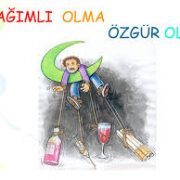
Don’t let addiction ruin your life!

A DEPENDENT INDIVIDUAL;

LOSES HIS FREEDOM

Since the dawn of humanity, people have always fought—and continue to fight—for their freedom. Freedom, It is the state of thinking or acting without any restrictions or coercion, and without being subject to any conditions. Therefore, a person who is dependent on any substance cannot be free.

SELF-CONFIDENCE DIMINISHES

Because the addict knows all too well what the drug does—for example, during withdrawal, the drug prevents them from controlling their muscular system, so they cannot control their bladder—and a person who cannot control their bladder cannot be said to have self-confidence. Or they may be forced to do things they don’t want to do in order to obtain the substance; it is impossible to speak of self-confidence in someone who lives not by their own decisions but by the direction of others.

CAN’T KEEP HIMSELF UNDER CONTROL

It is a matter of whether or not to exercise self-control regarding the substance. Once it has been used, the central nervous system is impaired, so a person cannot be expected to act rationally anyway. While under the influence of the substance, the person may become a danger to themselves and those around them.

LOSES HIS IDEALS

Human; “WHAT DO YOU EXPECT FROM LIFE?” provides more than one answer to the question. If they cannot, it means there is a problem, and the most significant of these problems is addiction. People with an addiction generally answer this question by saying: “NONE” They provide their answer. This answer, too, shows that ideals no longer exist.

HUMAN PRINCIPLES BEGIN TO DISAPPEAR

Because the addicted person has begun to live a life under the influence of the substance and acts under its control, they are unable to fulfill their responsibilities in life.

Using the substance is a crime in and of itself, and it also leads to other crimes brings.

The addict: To get the drug, they first spend all the money they have. Once they’ve run out of money, they start deceiving their loved ones—that is, they rob the people close to them—and begin stealing just to get by, spending their money on the drug. They engage in prostitution and spend the money earned that way on the drug. Furthermore, people are made dependent and forced into prostitution in exchange for drugs, and most importantly: Narcotics Proverb: “EVERY SMOKER IS A POTENTIAL SELLER!” What does this mean? Every drug user introduces people around them to drugs in order to make money. These people, who are new to drugs, have no other way to buy them. This creates a new source of income for drug dealers.

Prevention of Substance Abuse

In prevention efforts, the primary goal is to raise awareness among individuals before they begin using substances. In this approach, defined as primary prevention efforts, the goal is to prevent substance use through education.

The best way to protect yourself is NOT TO START AT ALL…

If it has already started in some way;

IT IS POSSIBLE TO ESCAPE!

While substance use and addiction are health issues, they are treatable conditions. A person can receive treatment at a specialized hospital and return to their home as a healthy individual. To do this, Medical assistance and expert support are absolutely necessary. The period following the completion of treatment is quite delicate. The individual should distance themselves from environments and social circles that lead to substance use and immerse themselves in the people, activities, and experiences that are meaningful and important in their life. Otherwise, the likelihood of relapsing into substance use is quite high.


Source: AMATEM

Report on Substance Abuse from the Police Department

COMBATING SUBSTANCE ABUSE


The phenomenon of drug use, which dates back as far as human history itself, has become the most significant type of crime threatening the health and safety of societies since the beginning of the last century.

With the end of the Cold War, the removal of trade barriers, and the resulting acceleration of the flow of money and goods, an unprecedented number of economic opportunities have emerged. At the same time, a favorable environment has also emerged for criminal organizations to exploit and corrupt the system.


Due to its geographical location, Turkey has served as a bridge of trade and culture between the East and the West for centuries. Because of this structure, it is heavily affected not only by the legally conducted trade in silk and spices but also by drug trafficking, which shares the same characteristics in terms of supply and demand. The route currently known as the Balkan Drug Route serves as the gateway to Europe for these historic trade routes that have existed from the past to the present. The reason Turkey remains more prominently on the agenda than other countries along the Balkan route is that it serves as the gateway to the East and the entry point to the West, both geographically and culturally. Furthermore, our country is geographically close to the countries of Southwest Asia where illicit opium poppy cultivation and, consequently, opium production take place. In addition to its geographical proximity to production regions, our country also borders Western European countries with a large consumer base for illicit drugs. Given this location, our country lies along the transit routes used for illicit drug trafficking from production regions to consumer countries.


Our country continues its fight against drug trafficking based on the following policies:

-Drug-related crimes are considered crimes against humanity.

-It is believed that the primary source of funding for terrorist and organized crime groups comes from drugs.

Drug smuggling and trafficking, which have evolved from simple individual crimes into organized activities requiring significant capital accumulation, have become a source of funding for illegal organizations and organized crime groups that oppose the existing order in some countries around the world—including our own—in order to generate high revenues and maximize profits. has become a source of funding for illegal organizations and organized crime groups that oppose the established order in some countries around the world, as well as in our own country.

Indeed, it is a well-known fact that drug trafficking is the primary source of income for the PKK, an illegal terrorist organization operating in our country. Using the money it obtains from drugs to purchase weapons and slaughter our innocent citizens, the PKK also turns its own militants into drug addicts, ensuring that they brutally murder innocent people—children, youths, and the elderly alike, and even infants in their cradles and pregnant women—without batting an eye, in ways no normal person could ever conceive of.


-Is aware of the need for international cooperation.

Aware of the importance and necessity of international cooperation and the exchange of information, our country is open to all forms of cooperation in this regard. To this end, we are taking initiatives to develop new opportunities for cooperation and are voicing our views on drug trafficking and other forms of organized crime at every opportunity on international platforms.

To this end, in order to establish international cooperation, our country has signed agreements, protocols, memorandums of understanding, and treaties with 55 countries at various levels regarding cooperation in the fight against drug trafficking.

To ensure a fast and secure flow of information among police forces, the number of liaison officers in our country is increasing day by day, and in parallel with this, our country is also sending liaison officers abroad.


-It is determined to address the issue with equal commitment and intensity at all stages—supply, demand, and rehabilitation.


Turkey is located in a region close to the countries of Southwest Asia where illicit opium poppy cultivation and, consequently, opium production take place. In addition to its geographical proximity to production regions, Turkey also borders Western European countries with a large consumer base for illicit drugs. Given this location, Turkey lies along the transit routes used for illicit drug trafficking from production regions to consumer countries.


Our country is the scene of a West-to-East flow of certain chemical substances, which runs in the opposite direction of heroin and bazomorphine trafficking. In other words, in addition to its role as a transit point for drug trafficking, it also serves as a crossroads for the smuggling of these substances.


It has been observed that, during these smuggling operations carried out through our country, drugs are being released onto the market in Turkey with the aim of creating demand there. However, it is important to note that, despite these malicious efforts, Turkey is not in the same situation as Western countries that are portrayed as being mired in a drug crisis.


SUBSTANCE ABUSE


Substance: A substance is a chemical that is harmful to the body, whether used in medicine or elsewhere.

Dependent: Only when the substance is used a false sense of well-beingwhen the substance is used, feels bad is referred to as an addict. An addict is someone who has become irresistibly enslaved to the substance.

Withdrawal: This refers to the occurrence of physical and psychological problems that arise when substance use is discontinued after a prolonged period of use. Withdrawal symptoms vary depending on the type of substance used and the duration of use.

Substance Dependence: This refers to the process by which an individual, through the use of legal or illegal substances that are harmful to the body, loses autonomy, freedom, and self-control and adopts new attitudes and behaviors.

The Effects of Addiction on Cells:

List of Life Essentials; Cells need sugar, salt, water, and vitamins to survive. Let’s assume alcohol is consumed during this period.

The List of Things to Do After a Certain Period: Sugar, Water, Salt, Vitamins, and Alcohol. At the end of the cellular utilization process, alcohol is also added to the list of essentials for life.

Factors Leading to Substance Use

  1. Biological Causes: The faster and more intensely a substance affects a user, the greater its potential to cause addiction.
  2. Psychological Causes: This does not apply to everyone. There is no guarantee that every person with a mental illness will use substances. This may be the case for certain personality types.
  3. Social Causes;
  1. Availability; The easier it is to obtain a substance, the greater the risk of addiction.
  2. Peer Group; During adolescence, young people live in groups. Norms are very important within a peer group. If the community a person is part of uses drugs, that person will use drugs simply to remain part of that community.
  3. The family; The family is the smallest building block of our society. It is here that an individual first learns everything. For this reason, if there is a substance user within the family, the individual may also begin using substances.
  4. Social Acceptance; If a substance is considered legitimate by the society in which a person lives, that person will also consider it legitimate and will begin to use it without being aware of its harmful effects.


“THERE IS NO SUCH THING AS A SAFE ADDICTIVE SUBSTANCE.”

“THE RISK OF DEVELOPING A DEPENDENCE IS THE SAME FOR EVERYONE WHO USES IT.”

The Process of Substance Dependence:

  1. The process;
  • Substances taken in small amounts out of curiosity or for pleasure gradually begin to take on greater importance for the person.
  • Social relationships are structured in a way that allows for the acquisition of the substance.
  • More and more time is being spent on obtaining and using the material.
  • This situation disrupts a person’s communication and relationships with those around them.
  1. The process;
    • The intensity of substance-seeking behavior increases.
    • Tolerance develops over time as the product is used.
    • The person tends to keep using the same substance.
    • Withdrawal symptoms appear when a person reduces their use of a substance, is unable to obtain it, or is unable to use it.
  2. The process;
    • The person feels compelled to take the substance again to alleviate the symptoms. This turns into a vicious cycle.
    • A substance user’s attempts to reduce or stop using the substance usually end in failure.
    • If a person stops using a substance and then starts again, a relapse occurs.


Treatment for Substance Abuse:

Today, it is possible to treat substance addiction. However, the most important factor in treatment is the individual’s desire and determination to stop using substances. A person can overcome physical dependence within two weeks. However, it takes 5 to 10 years to overcome psychological dependence.


The Psychological Approaches of a Successful Individual:


  • Someone who is self-confident, who doesn’t let their surroundings or peer pressure dictate the decisions they make about their own life, and who can cope with their problems,
  • Whether or not there is peer pressure, someone who takes responsibility for all the decisions they make in their life,
  • Aware that his group of friends would have both positive and negative influences on him over time, and that his social circle would change once he entered the workforce—where he would be judged solely by his character and achievements—
  • Those who know how to make the most of their free time and live as part of society, who can say to humanity, “I am here,” and “Here’s what I’ve done,”
  • Those who do not use addictive substances not because they are banned or due to negative influences from their environment or parents, but as a result of their own views and beliefs,


The Role of the Police in Combating Consumption:

In addition to combating drug trafficking, our Narcotics Units are also carrying out the necessary efforts to combat drug use and addiction, which have not yet reached alarming levels in our country. The activities carried out within this framework can be listed as follows.

  1. Educational Activities;
  2. Under the coordination of our Presidency, with the aim of conducting educational initiatives targeting young people aged 15–21—identified as the target group for substance use—100 narcotics police officers working in regional units, A “Training of Trainers” course on substance use and addiction was delivered by members of the Scientific Advisory Committee, which advises the Sub-Committee and Main Committee on Drug Control Monitoring and Guidance.

With the participation of our narcotics police officers who have completed this training program, officials from the Provincial Directorate of National Education, and doctors specializing in addiction, conferences, panels, and public forums on substance abuse are organized at high schools and equivalent schools in the provinces where they are stationed, for parents of students, staff at prisons and detention centers, and—upon request—in coordination with volunteer cultural organizations, associations, and foundations, to organize conferences, panels, and public forums on substance abuse.

Since June 26 has been designated by the United Nations as “World Drug Day,” conferences, panels, public forums, TV and radio programs, and exhibitions were organized to raise awareness among the young people and their families identified as the target audience in all our provinces.

In addition, in the province of Izmir, seminars were organized in four sessions at youth camps held during the summer months to educate young people about substance abuse.

  1. Street Teams;

As part of their preventive duties, our Narcotics Police have established street patrols —particularly within our regional units in major cities—in areas where individuals in high-risk groups are concentrated, with the aim of preventing drug use and combating street dealers. Particularly around schools, where students spend a significant amount of time, inspections are being conducted at cafeterias and mobile vendors to counter drug dealers seeking to entice students into drug use. These efforts are carried out in coordination with school administrators to establish cooperation, and we draw on the suggestions and information provided by our officers. The most encouraging result of these efforts is that no serious drug problem has been encountered in this region. In addition to these checks, preventive efforts focused particularly on street vendors in public places in provincial centers have led to the apprehension of a large number of individuals.

  1. District Narcotics Units;

Given the geographical and demographic characteristics of Istanbul Province, and upon observing that certain shortcomings had been encountered in extending the efforts led by the Narcotics Branch of the Provincial Police Department to the entire city within the framework of the existing urban structure, it has been planned to utilize the District Police Departments—each of which serves a population equivalent to that of a medium-sized city—more effectively in this fight.

In this context, in the first phase, District Narcotics Teams—composed of our officers specially trained to combat narcotics-related crimes—were established in a total of 7 (seven) separate districts, including Bahçelievler, Bakırköy, Eminönü, Fatih, Kadıköy, Şişli, and Beşiktaş—a total of 7 (seven) separate districts—District Narcotics Teams composed of officers specially trained to combat narcotics-related crimes were established to ensure that the fight against narcotics is conducted more effectively and expanded to cover the entire city.

  1. Survey Studies on Substance Abuse


In 1996, an effort was made to compile data that could shed light on the state of substance abuse in our country; however, due to the lack of such data, the “Substance Abuse Questionnaire” was distributed to all narcotics units. This questionnaire seeks to outline the social, economic, cultural, and psychological circumstances of our citizens who are drug-dependent.


The study was conducted on 1,633 people in 1999 and 2,145 people in 2000. We use the data obtained from our studies on this subject to combat supply, to conduct analyses that will assist in future planned studies, and to evaluate it as intelligence information.


It uses the same data to inform other units and the public about efforts to combat waste, as well as to enhance the knowledge of our own staff (through in-service training). I will discuss the findings of this survey in greater detail later.


Based on the general information provided above, the General Directorate of Security’s efforts to combat drug addiction are as follows.


As the General Directorate of Security;


Upon noting that it has not been clarified which institutions and organizations within the government structure are responsible for combating substance abuse, it was recognized that, although the General Directorate of Security (EGM) has fulfilled its responsibilities regarding this issue to the best of its ability, efforts aimed at combating addiction—which require a fully social approach and encompass areas such as education, rehabilitation, fostering health awareness, and the regulation of family relationships—which require a fully social approach;


Based on a report we prepared regarding the fight against narcotics; as a result of the recommendations adopted by the National Security Council at its December meeting; and following the proposals we presented at meetings held with the participation of relevant agencies and institutions;


To ensure coordination among all agencies involved in the fight against drug use, to establish national policy, and to organize the division of responsibilities, the proposal to establish the UPPER AND SUB-COMMITTEES FOR MONITORING AND DIRECTING THE FIGHT AGAINST DRUG USEwere proposed to our National Security Council. With the Council’s approval, these committees were established, and it was decided that nationwide policies and efforts to combat drug addiction would be carried out under the leadership of the Family Research Institute.


DRUG USE SURVEY


In order to determine the extent of drug addiction in our country, the “Substance Abuse Questionnaires,” prepared in 1995 by the Directorate General for Combating Smuggling and Organized Crime, were first distributed to regional units in 1996. These questionnaires sought to determine the socioeconomic and cultural circumstances of substance users. Beginning in 1996, this survey was administered to individuals facing legal proceedings for drug use, yielding notable results. Considering that there have been no significant changes in the figures over the last three years during which the survey was administered, it can be said that the survey results are close to reality.

In 2000, within the police district, 2,145 individuals were subject to legal proceedings for drug use[1]who were subject to legal proceedings for drug use in the police district were evaluated with the understanding that the questionnaires were administered only to individuals apprehended for drug use and that the reliability of their statements may not be complete. Accordingly, the assessment of the results over the past three years is as follows:


1-Age Group

The Year 1999
AGE GROUP WOMEN MEN TOTAL PERCENTAGE (%)
Under 16 4 4 0.2
16–30 25 508 533 33.2
31–45 8 659 667 41.6
46–65 5 379 384 23.9
Over 65 16 16 1.1
T O T A L 38 1566 1604 100


The Year 2000

AGE GROUP WOMEN MEN TOTAL PERCENTAGE (%)
Under 16 4 4 0.3
16–30 27 849 876 41.8
31–45 16 788 804 38.4
46–65 6 392 398 19
Over 65 1 9 10 0.5
T O T A L 50 2042 2092 100


The Year 2001

AGE GROUP WOMEN MEN TOTAL PERCENTAGE (%)
Under 16 1 2 3 0.1
16–30 31 907 938 46
31–45 13 706 719 35.3
46–65 7 346 353 17.3
Over 65 24 24 1.2
T O T A L 52 1985 2037 100

When considering the age groups of drug users, it is evident that, as is the case worldwide, drug use is most prevalent among those aged 16–30 in our country as well. Although the literature does not define the 15–24 or 12–22 age groups as at-risk groups, the increasing number of users among adolescents and young adults (ages 16–45) indicates that substance use may be becoming a cultural norm. Therefore, in addition to protection and prevention efforts, there is a need to educate the older age group about “cultural acceptance” patterns.

In addition, the 16–45 age group is associated with the process of exposure to drugs, drug use, addiction, and the consequences of addiction.


2-Age of Onset


AGE GROUP 1 9 9 9 2 0 0 0 2001
NUMBER PERCENTAGE (%) NUMBER PERCENTAGE (%) NUMBER PERCENTAGE (%)
Under 16 119 7.3 146 8.5 151 9.8
16–30 1,004 61.5 1,337 77.9 1,076 69.9
31–45 215 13.2 197 11.4 272 17.6
46–65 40 2.4 33 1.9 34 2.2
Greater than 65 255 15.6 3 0.3 5 0.5
T O T A L 1633 100 1716 100 1538 100  


The onset of substance use among those under 16 is particularly noteworthy. The 16–30 age group stands out as a key target audience for protection and prevention policies. From this perspective, conducting educational activities aimed at this age group to combat drug use is of great importance in terms of preventing substance use. The increase in the 31–45 age group in 2001 compared to 1999 and 2000 is noteworthy. This result, which is particularly interesting for this age range—representing the prime working years—suggests that other factors are at play (such as employment versus unemployment, marriage versus divorce, etc.).


3-Gender

GENDER 1 9 9 9 2 0 0 0 2 0 0 1

NUMBER

PERCENTAGE (%) NUMBER PERCENTAGE (%) NUMBER PERCENTAGE (%)
Woman 39 2.4 54 2.5 52 2.5
Male 1,592 97.6 2,090 97.5 1985 97.5
TOTAL 1,631 100 2,144 100 2,037 100


It appears that men are more likely to be addicted to drugs than women. This situation may be related to the social status of women in our country. As in other countries, drug use and the crimes associated with it are mostly committed by men in our country as well.

Although women appear to participate more in social life, their actions remain limited by the roles assigned to them. Substance use among women is a serious problem because they often find it difficult to ask for help. For this reason, there is a need for a program specifically designed for women.


4-Marital Status

MARITAL STATUS 1 9 9 9 2 0 0 0 2001
NUMBER PERCENTAGE (%) NUMBER PERCENTAGE (%) NUMBER PERCENTAGE (%)
Single 462 28.5 713 34.4 743 36.8
Married 1,055 65.1 1,214 58.6 1,171 57.9
Divorced 93 5.7 127 6.1 96 4.7
Living Apart 7 0.7 15 0.9 9 0.6
TOTAL 1,619 100 2,069 100 2019 100


When examining the marital status of drug users, while being single typically poses a risk for most psychosocial problems, the opposite is true in this case. Survey results show that the majority of drug users are married. Living alone and divorce are two choices that fall outside the bounds of social acceptance. Therefore, assuming that their ongoing marriages are “problem-free” and believing that the risk has decreased does not align with reality.


5-Level of Education


EDUCATIONAL LEVEL 1 9 9 9 2 0 0 0 2001
NUMBER PERCENTAGE (%) NUMBER PERCENTAGE (%) NUMBER PERCENTAGE (%)
None 144 8.9 185 8.7 133 6.5
Literate 140 8.8 155 7.2 213 10.4
Elementary School 904 55.9 1,168 54.9 1,159 57
Middle School 235 14.5 288 13.5 267 13.1
High School 162 10 237 11.1 214 10.5
College 31 0.9 91 4.6 46 2.5
TOTAL 1,616 100 2,124 100 2,032 100

It has been observed that individuals who use illicit drugs and commit drug-related crimes tend to have a low level of education. This situation becomes even more evident when considering that primary education lasts eight years. Education is an investment in people; it is a tool that empowers individuals to be free and autonomous, and helps shape the general expectations of society and the desired form of citizenship. People acquire fundamental traits such as self-protection and self-care through education. These data demonstrate that education reduces the tendency to commit crimes.

6-Type of Material Used


SUBSTANCE USED 1 9 9 9 2 0 0 0 2001
NUMBER PERCENTAGE (%) NUMBER PERCENTAGE (%) NUMBER PERCENTAGE (%)
Heroin 161 10 283 14 233 12
Marijuana 1320 82.2 1,561 77.4 1,613 83.3
Cocaine 30 1.8 27 1.3 7 0.3
Pill 47 3 93 4.6 59 3
Volatile 4 0.1 1 0.2 4 0.2
Other 42 2.9 51 2.5 19 2
TOTAL 1,604 100 2016 100 1935 100


Marijuana is the most commonly used substance among drug addicts. This is because drug users typically start with marijuana and, after a while, turn to harder drugs like heroin due to a lack of satisfaction. Furthermore, the decline in the number of heroin and cocaine users in 2001 was due to the rising cost of these substances and the increasing difficulty in obtaining them. This indicates that efforts to curb their availability have been successful.

7-Reason for Starting

REASON FOR STARTING 1 9 9 9 2000 2001
NUMBER PERCENTAGE (%) NUMBER PERCENTAGE (%) NUMBER PERCENTAGE (%)
Curiosity 594 37.5 847 42.8 694 36.3
Friendship 709 44.7 788 39.8 875 45.8
Entertainment 58 3.6 69 3.4 70 3.6
Issues 225 14.2 273 14 269 14.3
TOTAL 1,586 100 1977 100 1908 100

Studies show that people start using drugs out of curiosity and for fun, and that their first exposure to drugs usually occurs through their peer groups.

Curiosity, as a human inclination, brings together other people who share that same curiosity. This, in turn, strengthens the defining power of the core interest at the heart of these relationships. In friend groups formed along these lines, the initiative lies primarily with the users. Such groups are closed to outsiders and operate according to their own rules.

8. Whether or Not the Offender Committed the Crime of Procuring the Substance

DID HE COMMIT THE CRIME OF PROCURING THE SUBSTANCE?

1 9 9 9 2 0 0 0 2 0 0 1
NUMBER PERCENTAGE (%) NUMBER PERCENTAGE (%) NUMBER PERCENTAGE (%)
Yes 117 7.3 166 8.1 148 7.4
No 1477 92.7 1907 91.9 1868 92.6
TOTAL 1,594 100 2,073 100 2016 100


Although the survey results reveal, on the one hand, that drug users do not engage in crime on a large scale to obtain the substances they use and also indicate that the deterrent potential of law enforcement is gradually increasing, on the other hand, they also highlight the link between crime and substance use, albeit not at very high rates. Based on this, it is evident that nationwide rehabilitation programs targeting offenders have become a vital necessity.

9-Employment Status

EMPLOYMENT STATUS 1 9 9 9 2 0 0 0 2001
NUMBER PERCENTAGE (%) NUMBER PERCENTAGE (%) NUMBER PERCENTAGE (%)
Has a Regular Job 528 32.8 673 31.9 585 28.9
Operating Irregularly 702 43.6 880 41.7 885 43.7
Unemployed 380 23.6 554 26.4 551 27.4
TOTAL 1,610 100 2,107 100 2021 100

Based on the survey results, when users’ employment status is evaluated, it can be said that irregular work schedules and unemployment may contribute to substance use, or that substance use may lead to employment problems.

This table, which demonstrates a causal relationship between unemployment and employment instability and substance use, highlights the preventive value of individual well-being in the context of national policies.


10-Criminal History

CRIMINAL RECORD 1 9 9 9 2 0 0 0 2001
NUMBER PERCENTAGE (%) NUMBER PERCENTAGE (%) NUMBER PERCENTAGE (%)
Related to the Article – Available 607 37.5 685 32.8 640 31.9
Not Related to the Article – Yes 341 21 464 22.2 474 23.6
None 672 42.5 938 45 889 44.5
TOTAL 1,620 100 2,087 100 2003 100


It appears that more than half of substance users have a criminal record, whether drug-related or not. The fact that the number of those with drug-related criminal records remains at a consistent level suggests the existence of a subculture in this regard. Furthermore, this highlights the importance of protective, preventive, and educational activities within the justice system (such as detention centers, correctional facilities, and juvenile detention centers).


11-Marital Status

FAMILY 1 9 9 9 2 0 0 0 2 0 0 1
NUMBER PERCENTAGE (%) NUMBER PERCENTAGE (%) NUMBER PERCENTAGE (%)
None 100 6.6 147 6.9 107 5.2
Exists 1,212 80.7 1,830 85.8 1,745 86
Living Apart 189 12.7 154 7.3 175 8.8
TOTAL 1,501 100 2,131 100 2027 100

When we look at the data for each three-year period, we see that there is no correlation between substance-related crime and family background. This could be interpreted as the absence of a family or a lack of a support system; however, the fact that the vast majority of these individuals do have families makes it difficult to draw any conclusions regarding the relationship between substance use and crime.

However, the fact that most people who use drugs have a family and live with their family also refutes the claim that only those who are homeless and lonely turn to drugs.

For this reason, family education should address the issues that arise when a family member uses substances. This is because a family’s lack of knowledge about substance dependence makes it more difficult for the individual to recover from addiction. This situation once again highlights the importance of the family’s protective role.


12-Where He Lives

PLACE OF RESIDENCE 1 9 9 9 2 0 0 0 2001

NUMBER

PERCENTAGE (%) NUMBER PERCENTAGE (%) NUMBER PERCENTAGE (%)
With his family 1378 91 1,724 81.3 1751 86.6
With his friends 42 2.8 96 4.5 33 1.6
Alone 172 5.4 250 11.7 10 0.7
On the Street 7 0.2 16 0.7 30 1.4
At the hotel 14 0.6 33 1.8 197 9.7
TOTAL 1,513 100 2,119 100 2021 100

It is very concerning that the vast majority of drug users (86.6%) live with their families. This situation once again highlights the central importance of the family and the need to address it in all its aspects.


13-Family Income

FAMILY INCOME 1 9 9 9 2 0 0 0 2001

NUMBER

PERCENTAGE (%) NUMBER PERCENTAGE (%) NUMBER PERCENTAGE (%)
Low-Income 634 43.6 892 45.3 1,034 52.7
Middle-Income 755 52 1,013 51.5 878 44.7
High-Income 65 4.4 60 3.2 50 2.6
TOTAL 1,454 100 1965 100 1962 100

Substance use and related studies do not reveal a clear correlation with socioeconomic status. The fact that a high proportion of those committing this crime come from low- and middle-income groups may be related to education, or it may reflect the socioeconomic reality in our country.


14-Request for Treatment

REQUEST FOR TREATMENT 1 9 9 9 2 0 0 0 2 0 0 1
NUMBER PERCENTAGE (%) NUMBER PERCENTAGE (%) NUMBER PERCENTAGE (%)
Available 285 17.8 361 17.3 237 11.9
None 1312 82.2 1,724 82.7 1,760 88.1
TOTAL 1,597 100 2,085 100 1997 100


It is well known that the desire for treatment is always less than the desire to use substances. Indeed, survey results confirm this. Substance users generally say they are not addicted and do not need treatment.

In addition, the lack of a desire to seek treatment may stem from the fact that treatment services are expensive and not widely available, as well as from users’ lack of sufficient information about treatment.


Footnote: The discrepancy in the total figures in the evaluations is due to the relevant sections of the survey forms not being completed.

10 Signs That a Child Is Addicted

Substance abuse is not only one of the greatest problems of our time but also continues to be a family’s worst nightmare. Families with children, in particular, face the risk of encountering this problem at any moment. “What if my child becomes addicted?” is the question families ask with the greatest fear. So, how can you tell if your child is addicted? We’d like to draw your attention to an article on this topic published at www.milliyet.com.tr

Statements like “I’ll never use it again” always mark the beginning of the “final” use. But that “last” use never comes. The moment someone says, “I’m not addicted; I’m in control,” the search for the substance and the need for higher doses have already set “addiction” in motion—it’s too late. Only much later does the person begin to see the substance’s negative effects.”

The belief that “I’ll quit, but this damn thing just won’t let me”

Dr. Onur Noyan, noting that a person who uses drugs begins to see not only the pleasure they derive from use but also its harmful effects, and that despite wanting to quit, they do not feel they have the strength to do so, said the following:

“The desire to quit and the belief that one can do so fade away, and the person feels powerless. They think, ‘I’ll quit, but this stuff is impossible to quit,’ so they both want to quit and continue using. If the perceived harms increase during this period, the person may develop a desire to break free from substance use. Since the desire to quit is stronger than the urge to use, supporting the person and instilling hope at this stage reinforces their belief that ‘I can do this.’ Treatment has a very significant impact during this period. Eventually, they stop using for a while. The negative experiences are forgotten. The pleasurable effects, however, remain fresh in their mind. Just when everything seems to be going well, the thought, “I can control myself; one time won’t hurt,” leads to relapse, and the vicious cycle begins.”

It starts at age 14, and the family doesn’t notice until two years later!

Dr. Noyan also noted that studies have determined the average age of first use of addictive substances to be 14, and said that for this reason, adolescence is the period of highest risk in terms of substance use.

Dr. Noyan, who said that families often don’t realize their children have a dependency until two years later, when the harm has already become significant, urged families to observe their children very closely. Noyan continued:

“Parents typically don’t find out that their children have started using substances until at least two years later. This is actually a very long period of time. Interventions taken during this time might be able to steer the adolescent away from substance use. For this reason, it is essential to closely monitor changes in adolescents.”

Watch out for changes in behavior!

There have been many changes in their behavior in recent days. You’ve started to suspect that they’re using drugs. It’s important not to make unfounded accusations and to proceed with caution. The first step you should take during this time is to try to establish healthy communication with your teenager. You can ask their teachers, friends, and others in their immediate circle about their observations. You must be very careful not to act on unfounded suspicions. It will be beneficial to take steps to improve communication, ensure they have accurate information about substance or alcohol use, avoid unintentionally encouraging remarks, stay informed about your child’s interests, and engage in shared activities with them in those areas.

Don’t avoid talking to him!

If you avoid talking to your child about alcohol, drugs, or cigarettes during this period, others may speak to them first and give them incorrect information. Short and simple messages are always effective. The key is to provide information appropriate for their age and expectations. You should avoid presenting the information in a way that sparks curiosity or piques their interest. We must teach our children from a young age to protect themselves and their bodies, and to say “no” in risky situations.”

What are the signs that your child is using drugs?

1- The first changes in people who start using drugs are the changes they make in their social circles. Old friends are replaced by new ones. They become closer to people who can provide them with easier access to drugs and stop seeing their old friends.

2- If their mood changes very quickly, you should be very careful. During this time, they may sometimes be very cheerful, and other times very angry, restless, or unhappy.

3- There are sudden changes in academic performance. Grades begin to drop, and absences from school become noticeable.

4- Be on the lookout if they want to stay home alone or have started meeting up with friends outside without telling you where they are.

5- He begins to keep his relationship with his family as distant as possible. He wants to spend less time at home so he doesn’t get into conflicts with his family.

6- Even though they aren’t buying clothes or anything else visible, they start spending too much money.

7- Personal hygiene has declined. He doesn’t pay attention to his appearance. His eyes become red and swollen, and physical changes begin to appear.

8- Irritability, tension, and problems in interpersonal relationships arise, and absent-mindedness and inattention begin.

9- They become withdrawn. Their sleep patterns change. They either sleep a lot or need very little sleep.

10- Their psychological state may include emotions such as pessimism, hopelessness, or a lack of faith.